
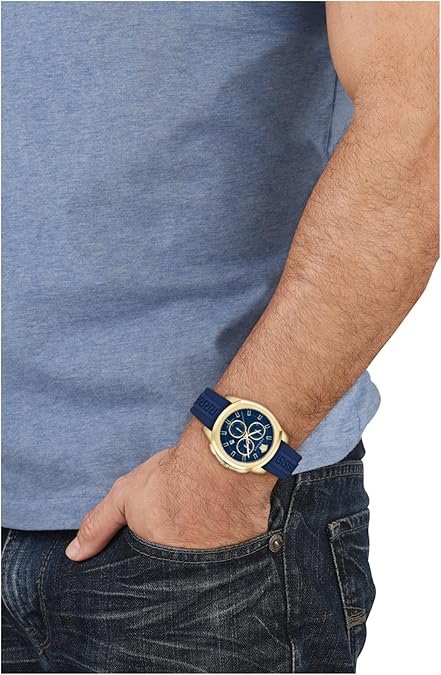
For many men, a wristwatch is more than a way to check the time — it’s a reflection of who they are, what they value, and how they want to present themselves. In an age where smartphones dominate, the wristwatch has become a symbol of taste, refinement, and heritage rather than mere utility. Owning a high-quality timepiece is about stepping into a tradition of craftsmanship and design that stretches back centuries.
If you’ve set aside a budget between $500 and $1,000, you’re in an exciting space. This isn’t entry-level fashion watches anymore; it’s where serious horology begins. Here, you’ll find Swiss-made automatics, iconic brand names, sapphire crystals, intricate details, and designs built to last decades. Buying in this range means you’re investing not only in a stylish accessory but also in a piece of engineering that can accompany you through life’s milestones.
But how do you make the right choice when shopping online? The options are vast, the terminology can feel overwhelming, and the line between timeless elegance and fleeting trends can be thin. Let’s break it down so your next watch purchase feels like a confident step into the world of quality timepieces.
Understanding What $500–$1,000 Really Gets You
This budget opens doors to:
- Automatic movements with heritage, not just quartz.
- Swiss brands (like Tissot, Hamilton, Longines, Oris) and respected Japanese names (Seiko Prospex, Grand Seiko entry models, Orient Star).
- Sapphire crystal for scratch resistance.
- Solid stainless steel or titanium cases with fine finishing.
- Designs with history — many models in this range are modern continuations of classic watch lines.
This means you’re stepping beyond disposable fashion watches into the realm of collectible, heirloom-worthy pieces.
Think About Your Watch as Part of Your Story
A great watch isn’t just chosen for its specs — it’s chosen for its fit with your life. Ask yourself:
- Do you need a versatile everyday watch that pairs with jeans, polos, and blazers?
- Are you looking for a dress watch for weddings, events, and boardrooms?
- Or do you want a tool watch (like a diver or pilot) that emphasizes durability and adventure?
Unlike cheaper watches, models in this range often carry heritage design cues — for example, a Hamilton Khaki Field connects to military roots, while a Tissot Gentleman recalls classic mid-century elegance. Choosing your watch is really about choosing what story you want it to tell about you.
Pay Attention to Key Details That Define Quality
When browsing online, pay close attention to the specifications that separate a $150 watch from a $750 one:
- Movement: Look for Swiss automatic calibers (ETA, Sellita, Powermatic 80) or high-end Japanese automatics. These are robust, repairable, and collectible.
- Crystal: Sapphire is a must — it’s practically scratch-proof.
- Case construction: Solid stainless steel or titanium; avoid cheap plating.
- Water resistance: 50m for dress watches, 100m+ for divers and sports models.
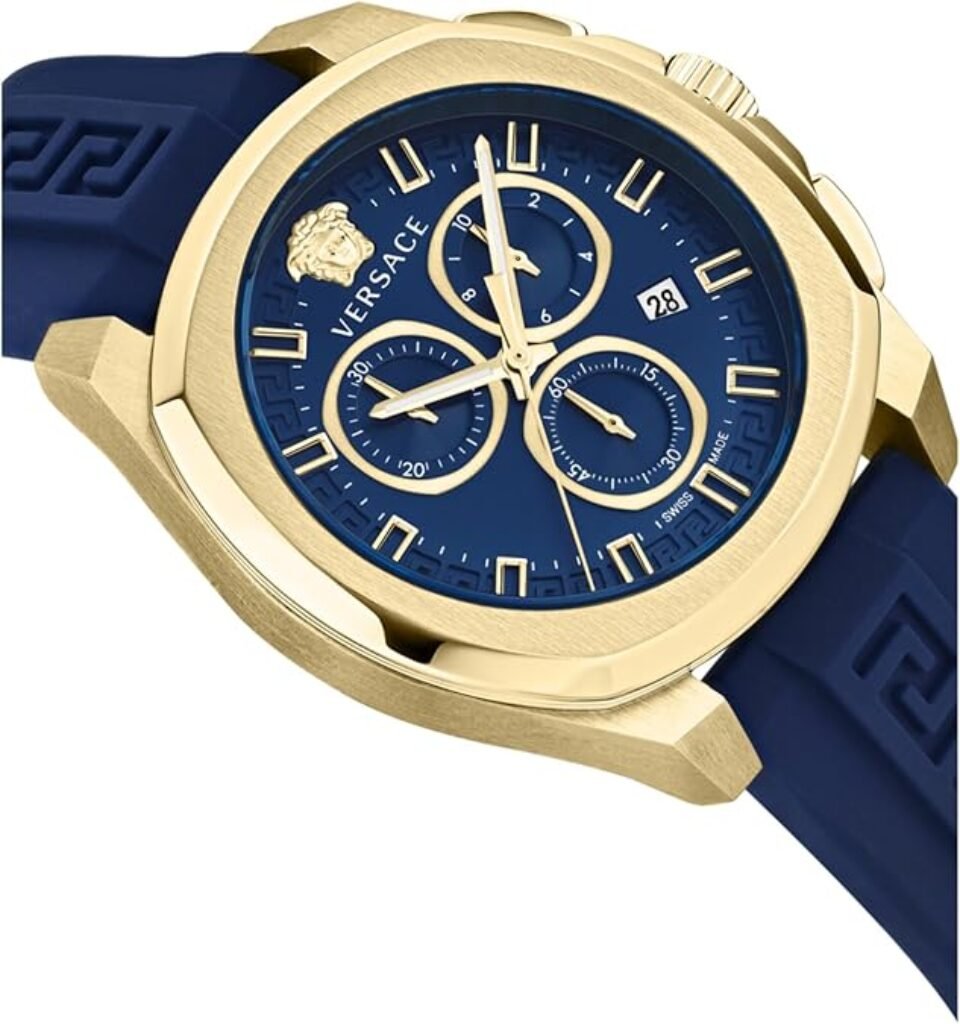
- Dial finishing: Applied indices, textured dials, lume (glow in the dark markers) — small details show craftsmanship.
- Straps/Bracelets: High-quality leather or solid-link stainless steel bracelets (not hollow or folded links).
Brands That Deserve Your Attention
In this price range, you’re spoiled with heritage brands that have real credibility in horology:
- Hamilton – Swiss-made, American heritage, known for military and aviation-inspired designs.
- Tissot – A gateway into Swiss luxury with timeless classics and modern sport lines.
- Seiko Prospex – Professional-grade dive and field watches, rugged and reliable.
- Longines – Elegance with history, a perfect introduction to Swiss luxury.
- Oris (entry-level models) – Independent Swiss watchmaker with mechanical-only timepieces.
- Rado – Known for innovative ceramic designs with a modern aesthetic.
- Junghans – German minimalist design, refined and elegant.
Each brand represents a different aesthetic: rugged, refined, sporty, or minimalist. Choosing the right one depends on the role your watch will play in your wardrobe.
Shopping Smart Online
When spending close to a thousand dollars online, caution and research are essential:
- Stick to authorized dealers (brand websites, official retailers, or established resellers like Jomashop, Ashford, Hodinkee Shop).
- Check warranty coverage — most in this range include 2 to 5 years.
- Look at real-world wrist shots on watch forums or YouTube to see how the watch wears.
- Compare prices carefully; discounts exist, but be wary of deals that seem too good.
- Consider pre-owned — in this budget, lightly used pieces from luxury brands (like TAG Heuer, Tudor entry models, or Omega quartz) sometimes fall into range.
Why This Purchase Matters More Than You Think
Buying your first watch in the $500–$1,000 range is more than just shopping. It’s often the moment when men stop treating watches as accessories and start seeing them as companions. Unlike cheaper watches that get replaced after a few years, these timepieces can last decades with basic care. They carry memories, become conversation starters, and even pass down as heirlooms.
Think about it: a watch you wear to your first big job interview, your wedding, or your travels abroad becomes tied to those memories forever. A smartphone can’t offer that.
So when you click “buy” on a watch in this range, you’re not just purchasing steel, sapphire, and gears — you’re investing in a piece of tradition and identity. It’s about joining a quiet fraternity of men who understand that timepieces aren’t about telling time, but about telling stories.
✨ Final Thought: A $500–$1,000 men’s watch is the beginning of a journey into horology. Choose carefully, buy from trusted sources, and pick a design that resonates with you personally. The best watch isn’t the trendiest or the flashiest — it’s the one you’ll love wearing day after day, year after year. In time, it won’t just tell hours and minutes — it will remind you of who you were, who you are, and the legacy you’re building with every passing moment.


